Manufacturers opening new facilities need a plan for signage, labels and work instructions to maintain consistency across locations.
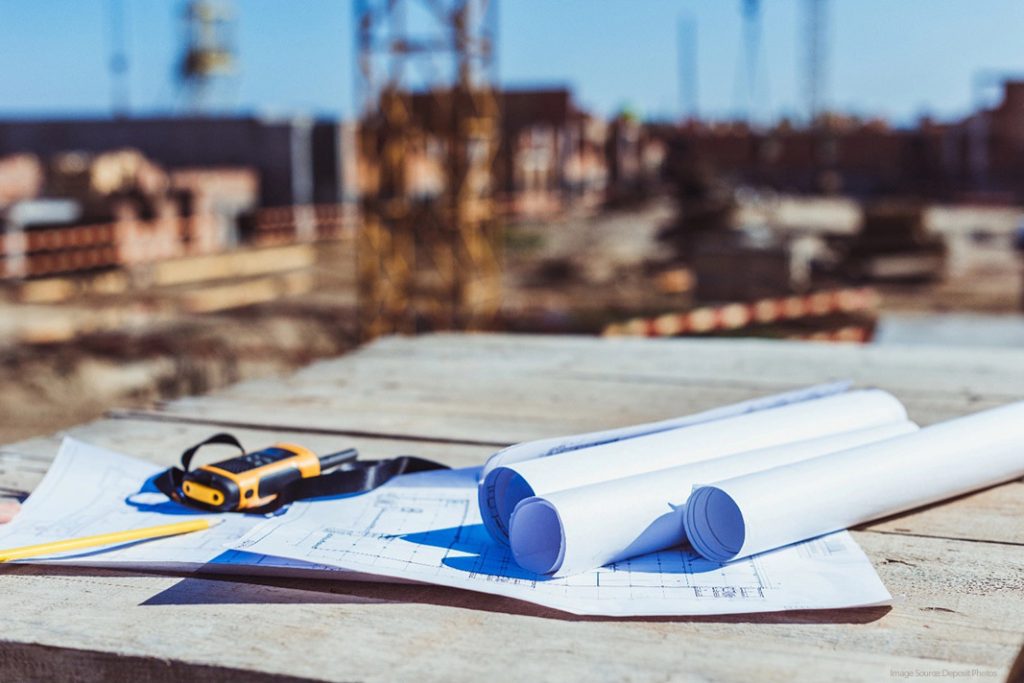
Ask anyone who has commissioned a new plant what went wrong in the final fortnight and you’ll hear about the obvious things first. A delayed switchboard, the compressor that arrived with the wrong fittings. Keep them talking, though, and signage comes up. Or labels. Or the induction folders that somebody had to print at the office down the road at 7pm the night before forty new starters walked in.
Print almost never makes it onto the project plan in any detail. If it’s there at all it’s one line, probably near the bottom, probably just the word “signage”, and it tends to stay ignored right up until handover is a few days away.
Some of this is structural. In most manufacturing businesses print doesn’t belong to anyone in particular, it’s spread across half a dozen teams. Safety signs sit with WHS. Work instructions are a quality or engineering job. Logistics looks after carton and pallet labels, and marketing handles brochures, banners and whatever goes on the trade show stand. Each of those teams does its own bit reasonably well and quietly assumes someone else is pulling the whole picture together (which, in practice, nobody is).
The rest is about scale. Next to a production line worth several million dollars, a sign feels trivial, so it doesn’t get its own line in the capital budget. The money gets spent anyway, just later and less efficiently: rush fees, courier charges, reprints.
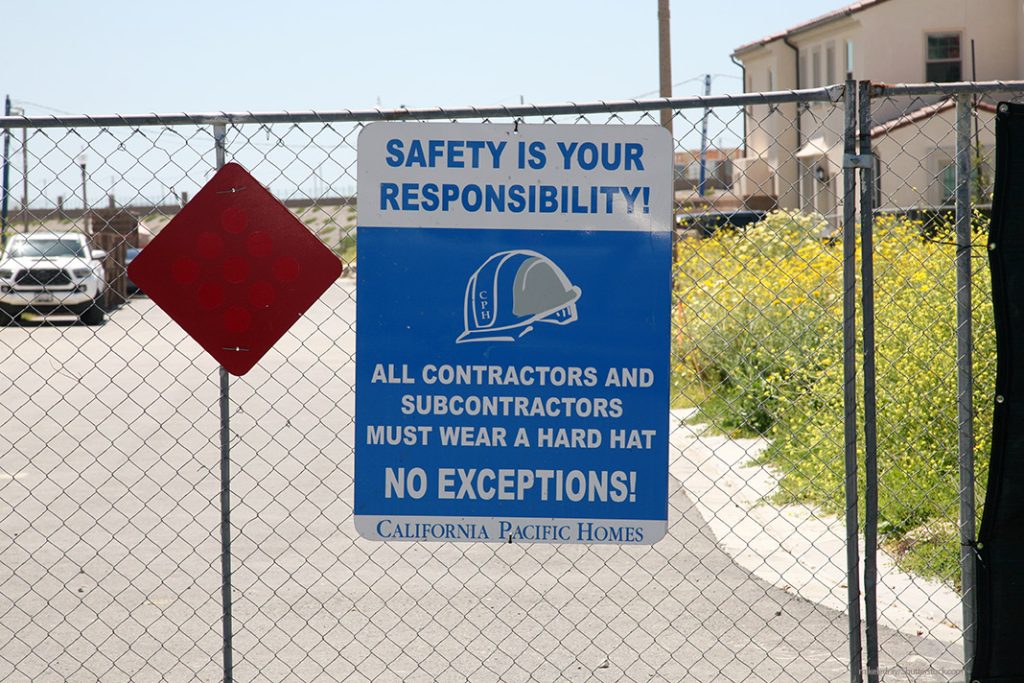
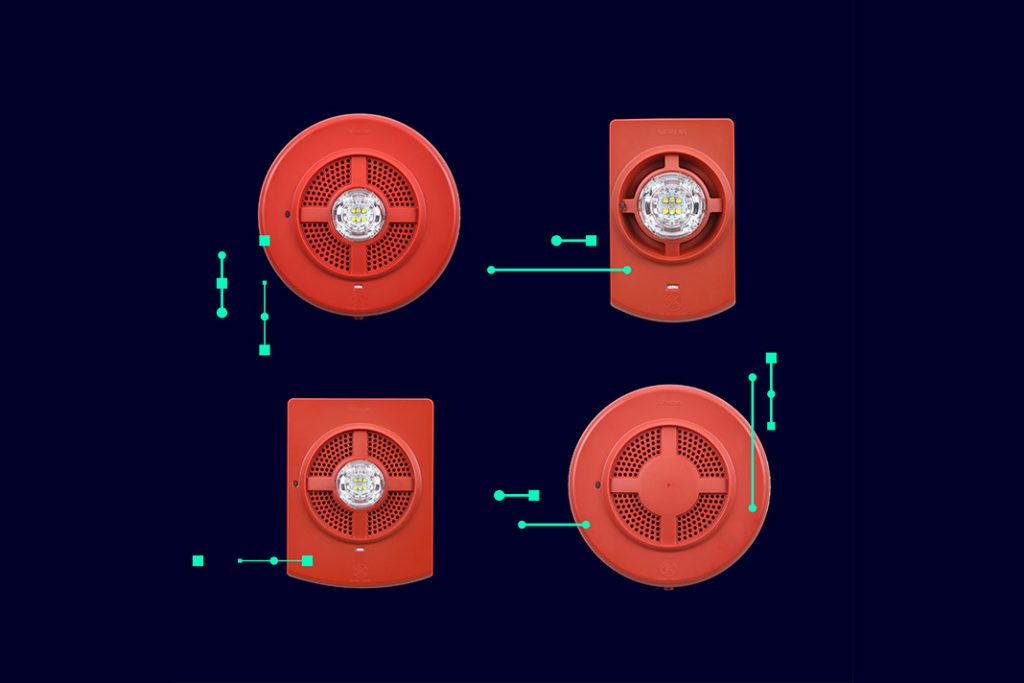
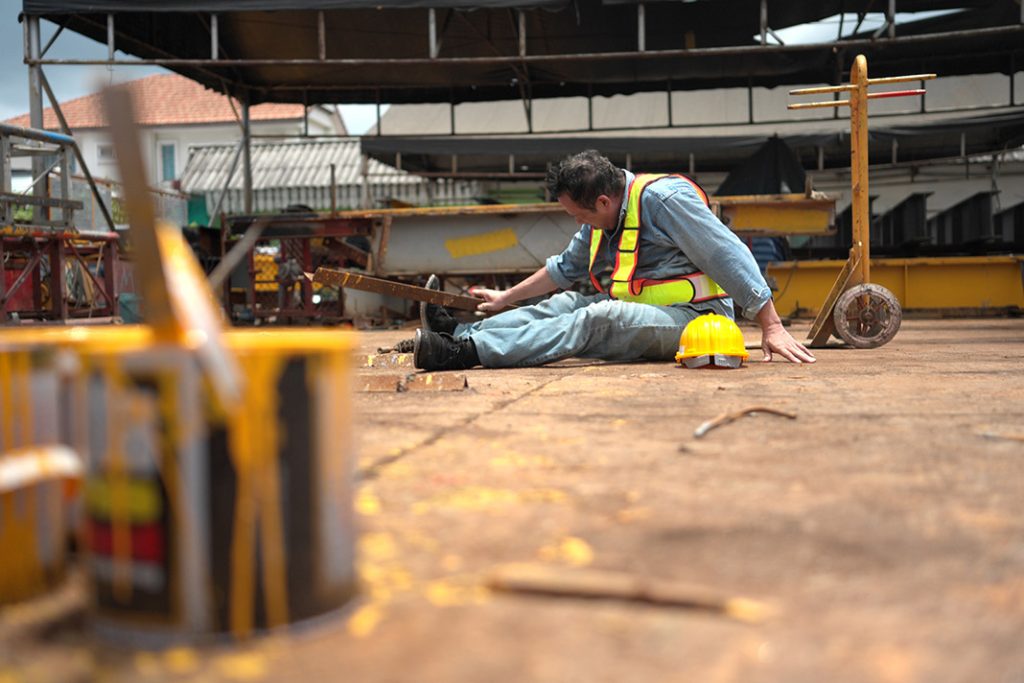
Safety and regulatory signage is worth sorting early in commissioning. Exactly which signs a site needs will depend on its hazards, its layout and the workplace safety rules that apply, so the safety and compliance team should sign off on the list before anything opens. For most plants it may cover exit and evacuation signs, floor markings, machine-guarding notices and PPE requirements for particular areas. Check specs and placement against those requirements before you order.
A sheet of copy paper behind a plastic sleeve won’t last long in a wash-down area or a yard, so for anything sitting near water, outdoors or under hard lighting it’s sensible to ask about waterproof vinyl or UV-resistant paper.
After that come the documents people actually handle on shift. Station work instructions, quality checklists, handover sheets, the induction manual. Here the real issue is version control rather than how anything looks; a laminated instruction can be perfectly accurate when it goes up and wrong six months later without anyone noticing.
Customer-facing material can wait a little longer. New business cards, updated brochures and spec sheets, a couple of pull-up banners for the opening or the next trade show, and vehicle signage if the site has its own fleet.
Labels cut across all of it, and they’re the ones that catch people out. A single carton with the old dispatch address is a nuisance. A truckload of them is a very long afternoon on the phone to the freight company.
Multi-site manufacturers are always juggling two things that pull against each other. Head office wants the artwork, templates and brand rules identical everywhere. The people on site just want the signs and labels they need, when they need them, without a fortnight of back-and-forth.
Keeping the files central sorts out the first part. The head office holds the approved artwork and the brand standards, so every site starts from the same version of a sign, a label or a work instruction. The second part is about getting those files printed somewhere close to the plant rather than shipping every job from one distant supplier.
That’s where a print network comes in. It has centres across Australia, so a manufacturer can look at which ones sit nearest each facility and talk through what that site will need (specs, quantities, how things get delivered) before the rush starts.
You end up with one set of artwork, a clearer way to handle repeat orders, and a plan for the routine jobs as well as the urgent replacements.
Distance makes even simple print jobs awkward. A plant in regional Australia needs the same signs, labels and operating documents as one in a capital city, but deliveries take longer and the timelines look different.
The practical move is to plan for it early. Map your plants, warehouses and sales offices against available print centre locations. This helps you plan production, repeat orders and delivery arrangements in advance, rather than leaving them until handover week.
What you’re after is a process you can repeat every time a site opens, expands or changes how it runs. Approved artwork, clear specs, a known place to get things printed.
Treat print like any other commissioning item and the last-minute scramble mostly goes away.
Give print its own line in the new-site plan, with someone’s name next to it, an approved set of master files and a print provider who can actually meet that site’s needs. Get proofs on anything safety-related, confirm specs before it goes to production, and keep a register of what went up and where.
At existing sites, a walk-through once a year will turn up the signs and documents that have faded, been damaged or gone out of date. If the approved files and ordering process are already organised, replacing them is straightforward.
Print is never the biggest item on a commissioning checklist. It still decides whether a new facility looks ready on day one. Plan for it early, use a print network for support, and the printed material your teams rely on stays consistent from one site to the next.

Forging the Next 250 Years: Powering the Next Era of American Manufacturing
As manufacturers offer more customization than ever before, managing product complexity has become a critical challenge. Tune in with Dan Joe Barry, Vice President of Product Marketing at Configit, who explores how companies are tackling the growing number of product configurations across engineering, sales, manufacturing, and service. He explains how Configuration Lifecycle Management (CLM) helps organizations maintain a single source of truth for configuration data. The result: fewer errors, faster quoting, and the ability to deliver customized products at scale.
Get In Touch
Google news and SEO compliant, Industry Today’s state-of-the-art digital media platform offers bespoke media campaigns that target key decision makers and buyers to achieve your marketing and promotional goals.

Contribute
Showcase your brand and promote your business to our highly targeted audience. We offer detailed Google Analytics with measurable ROI to assure success. Submit your content for review by our Editorial team who will contact you to discuss the project further.
About Us
Reach Your Targeted Audience and Grow Your Business. Learn more About Industry Today.
Contact Us

© 2026 Industry today. All Rights reserved.