Small delays around food, drink and hydration can quietly affect productivity, retention and workforce flow on industrial sites.
By Elyas Coutts
Operational performance reviews on industrial sites tend to focus on the same variables: machinery, headcount and logistics. These are the levers that get pulled when output drops or costs rise. What rarely features in those conversations is the friction created by how workers access food and water during their shifts.
The queues, the long walks, the break facilities that were designed for how the site was initially being used but haven’t been updated to fit the modern workplace. The implications of getting the refreshment access wrong can accumulate quickly and by the time it shows up in turnover figures or efficiency data, the cause of the problem is long forgotten.
Break facilities in most industrial sites are centralized, often having only one canteen and refreshment area which were in a location that made sense when the facility was built but not for how the workplace is being used. The problem is that demand has not stayed evenly distributed since shift patterns have intensified and the headcount has grown, but the overall infrastructure has stayed the same.
Footfall during shift change and breaktimes is unpredictable, but often, large crowds head to the same refreshment zone, which creates queues. These queues are evidence that the facilities cannot handle the footfall during these times and result in workers returning to the floor a few minutes late. These micro delays quickly add up to a larger operational loss.
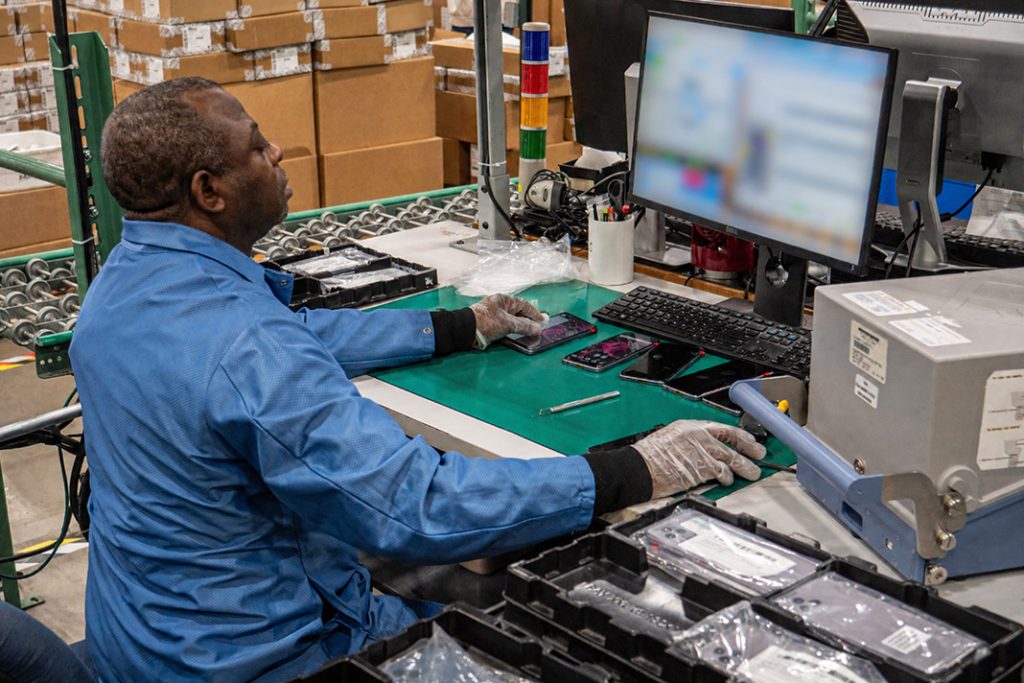
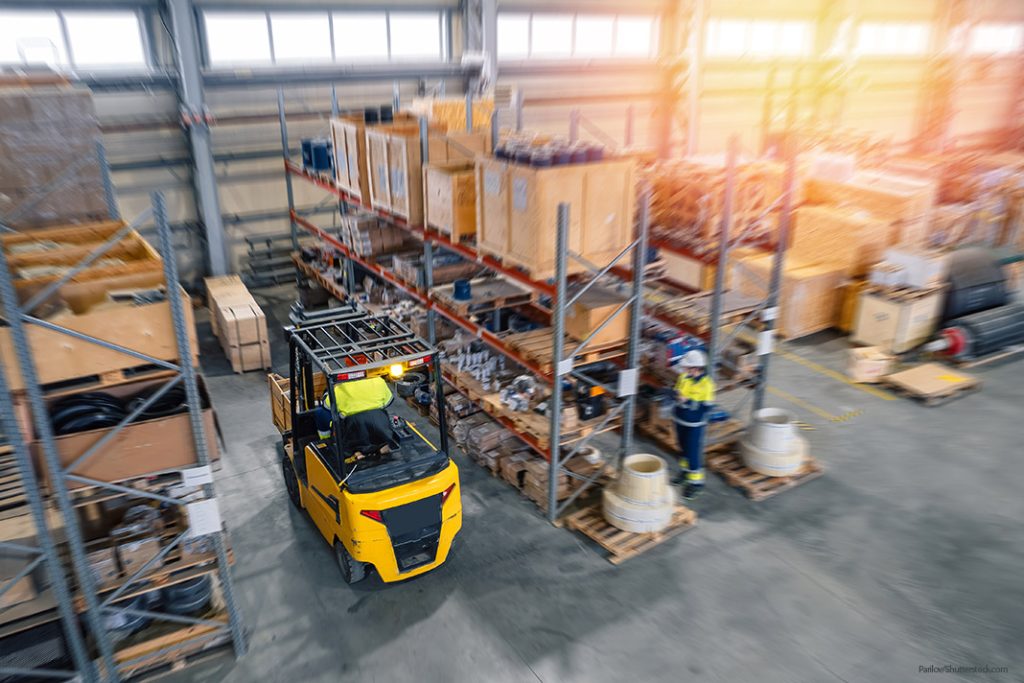
The need for suitable and accessible refreshment zones is higher in physically demanding locations. Workers on production lines and in the warehouse are physically exerting themselves continuously across long shifts and often in warm environments. Hydration is important for these workers’ health as well as helping to keep the workforce productive.
When the nearest commercial water dispenser or refreshment area is a significant walk away from the main production floor, employees face the decision between losing out on valuable time or simply going without. From an operational perspective, neither of these options are sustainable and yet this is the reality for industrial sites where the refreshment infrastructure has not kept up with the physical demand of the site.
There are also hidden operational costs during night shifts because canteens either follow fixed opening hours which don’t correlate with night shift breaktimes, or they are scaled back, leaving workers with limited access to food and drinks. When access to food and drinks in the workplace is unreliable or difficult to get to employees’ focus, energy tends to drop towards the end of their shift.
There is an operational blind spot created by the fact that no individual incident here is serious enough to escalate. A slow queue at the drinks machine does not generate a maintenance ticket. A worker who takes eight minutes instead of five to get a drink does not trigger a process review. The losses are real, but they are distributed thinly enough to stay invisible, which is precisely what makes them worth examining.
The industrial job market is highly competitive, and workers have more options than before, so for industrial sites to attract and retain talent, they need to provide more workplace amenities and perks than just pay and working conditions. Practical workplace convenience sits closer to operational performance than most companies realize. The employers competing effectively for labor in tight markets tend to be the ones who treat workforce logistics with the same rigor as they apply to production logistics.
A workplace where getting a coffee at break time is a minor ordeal every single day isn’t as valued as a workplace where it is straightforward. This difference accumulates in ways that eventually show up in employee turnover. Workers don’t typically list refreshment access as a reason when they hand in their notice, but the friction of a poorly run break environment feeds into a broader perception of how much thought an employer has put into the employees.
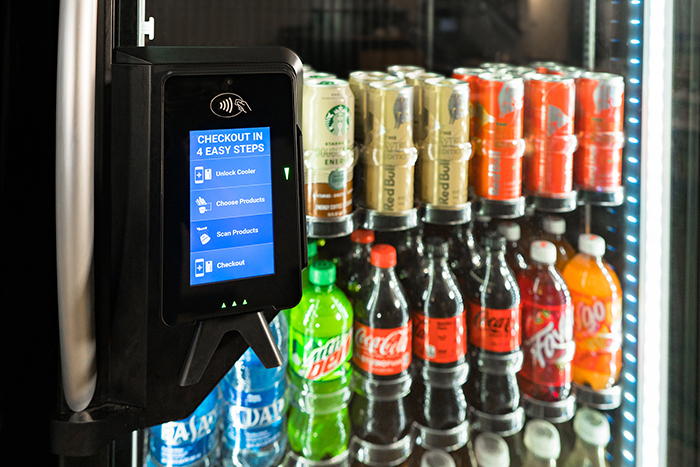
One of the easiest ways to make a consistent difference is to move away from centralized refreshment areas towards smaller zones distributed closer to common working areas. The result in break turnaround time becoming more predictable and night and weekend coverage stops depending entirely on a staffed canteen or bringing in their own food from home.
Real-time data and telemetry make inventory management more practical since consumption patterns highlight popular locations, daily usage and gives facility managers a level of visibility that they previously didn’t have. Identifying peak congestion periods becomes straightforward when usage data is regularly reviewed. If demand spikes at the same point every day, the infrastructure can be adjusted to meet it rather than leaving workers to manage around it. This might mean additional infrastructure or adjusted restocking schedules, but these decisions can be made based on actual consumption rather than assumptions.
Making small operational improvements around convenient access to food and drinks around the workplace can result in measurable efficiency gains and enhance employee’s experience. The best approach is to identify where the friction points are, understand the patterns and then focus on ways to improve them. The cost of leaving this unaddressed is minutes lost per shift, lower retention rates and a site operating at below its potential. For operations that have worked hard to close gaps in every other part of the process, that remaining headroom is exactly where the focus belongs.
About the Author:
Elyas Coutts is CEO at Connect Vending.

Forging the Next 250 Years: Powering the Next Era of American Manufacturing
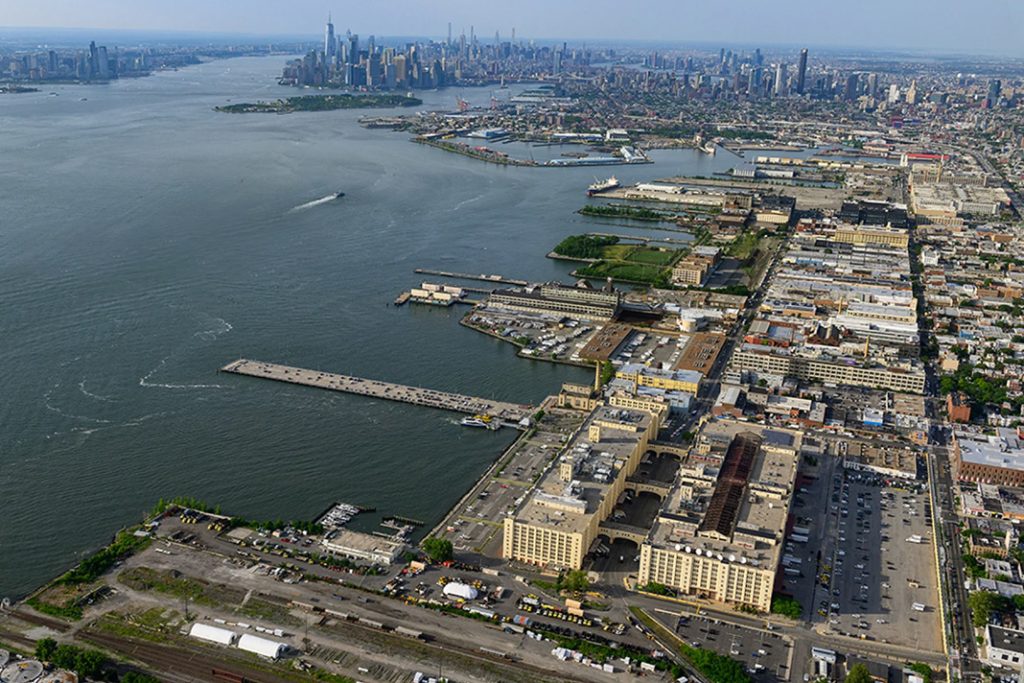
Brooklyn Army Terminal (BAT) began as a World War II-era military supply base. Today it is New York City’s largest publicly owned industrial campus, with 59 waterfront acres, more than 4 million square feet and over 100 businesses. In this episode of Industry Insights, Bridget Chansakul, Vice President of Leasing & Portfolio Management at NYCEDC, explains what space is available and what’s planned for the 250,000+ square feet of new industrial space in Building A. She also covers how the ferry, parking and on-site childcare help tenants hire and keep workers, along with workforce partnerships, City incentives for manufacturers and where BAT is headed next.
Get In Touch
Google news and SEO compliant, Industry Today’s state-of-the-art digital media platform offers bespoke media campaigns that target key decision makers and buyers to achieve your marketing and promotional goals.

Contribute
Showcase your brand and promote your business to our highly targeted audience. We offer detailed Google Analytics with measurable ROI to assure success. Submit your content for review by our Editorial team who will contact you to discuss the project further.
About Us
Reach Your Targeted Audience and Grow Your Business. Learn more About Industry Today.
Contact Us

© 2026 Industry today. All Rights reserved.