Subscribe to Industry Today’s regular e-newslettersindustrytoday.com
Subscribe https://industrytoday.com/wp-content/uploads/2026/10/BAT_Construction_728x90@2x.png

Discover how cost savings, operational flexibility, and smart tech are driving rapid growth in the construction equipment rental industry.
The construction industry, a cornerstone of economic development worldwide, is experiencing a substantial evolution marked by various dynamic factors reshaping its landscape. A notable element in this transformation is the unprecedented shift towards renting construction equipment. This trend signifies not just an ephemeral change but a robust and sustainable movement with profound implications for the industry’s future.
Traditionally, construction companies owned their fleets of machinery, which required a significant upfront capital investment, ongoing maintenance costs, and storage expenses. However, as market conditions evolve, many businesses are gravitating towards the rental of construction equipment, viewing it as a strategic shift that aligns better with modern economic and operational models.
One of the primary reasons driving the shift towards equipment rentals is cost-effectiveness. Owning heavy construction machinery necessitates considerable expenditures that can strain a company’s finances, particularly those of smaller firms or new entrants in the market. Renting equipment enables them to access the latest technology and machinery without the burden of huge capital investment.
Additionally, renting allows companies to optimize their operations by enabling them to select specific machinery needed for particular projects. This flexibility ensures that businesses can quickly scale their operations up or down based on project demands, thereby enhancing efficiency and productivity. It also helps avoid costs associated with the devaluation of equipment, which is a common consequence of ownership.
Construction projects often grapple with budget constraints, leading companies to seek more cost-effective solutions. Renting equipment provides a sensible alternative to purchasing, thereby allowing companies to allocate financial resources more efficiently. As a result, the adoption of rental services is becoming increasingly popular.
According to Global Market Insights, the construction equipment rental market is expected to grow at a compound annual growth rate of 4% from 2023 to 2032. This demonstrates how businesses are gravitating towards flexibility, mitigating the risks associated with large investments, especially during economic uncertainties. Additionally, renting equipment allows businesses to easily upgrade to the latest technology without bearing the depreciation costs associated with ownership.
Furthermore, equipment rental can offer operational flexibility, as companies can access specific machinery tailored to individual project requirements without long-term commitments. This adaptability is crucial for managing varied project sizes and timelines, enhancing overall project efficiency and reducing downtime.
The influence of equipment rental trends is particularly notable within the U.S., where industrial construction plays a significant economic role. According to the U.S. Bureau of Labor Statistics, industrial construction is projected to contribute to 4.4% of U.S. GDP in 2025 within the broader construction sector. This figure underscores the critical role construction plays in the national economy and highlights the increasing reliance on rental services.
Globally, the construction equipment rental market is reshaping industry dynamics. The comprehensive availability of diverse equipment ensures that construction companies can pursue projects internationally without logistical hurdles of transporting heavy machinery. This global impact creates an interconnected marketplace where the demand for rental services continues to rise.
Moreover, the rental trend supports sustainability initiatives by reducing the need for mass equipment production and storage. This environmental consideration aligns with global priorities, making the rental market an attractive option for conscientious businesses aiming to reduce their ecological footprint.
In today’s rapidly evolving construction industry, technological advancements play a pivotal role in transforming the equipment rental market. These advancements are not just about keeping pace with innovation but are driving substantial growth and operational efficiency across the sector. At the forefront of these technological innovations are state-of-the-art systems such as GPS tracking, telematics, and the Internet of Things (IoT) integration. These high-tech tools immensely enhance the efficiency and management of rental equipment, offering renters significant advantages, including real-time data capabilities, which are crucial for optimizing equipment usage and reducing downtime.
The introduction of these innovative breakthroughs is rapidly changing the landscape of rental services, making them more appealing and indispensably valuable to a broader range of clientele. Real-time data provided by telematics systems, for instance, allows users to monitor equipment status, predict maintenance needs, and plan logistics more accurately. This efficiency not only improves equipment longevity and performance but also leads to cost savings and productivity gains for construction projects.
According to Grand View Horizon, the global all-terrain cranes segment generated revenue of USD 15,613.6 million in 2025 and is expected to reach USD 23,902.9 million by 2033, underscoring the burgeoning demand for sophisticated rental equipment as construction activities expand worldwide. This upward trajectory reflects the industry’s embrace of technologically advanced tools and equipment to tackle increasingly complex construction challenges.
As we gaze into the future, the prospects for construction equipment rental are notably bright. Industry players are poised to harness emerging technologies and respond adeptly to shifting market preferences. The ability to offer flexible rental options is becoming a strategic priority, enabling construction companies to increase project scalability, enhance operational tranquility, and maintain a competitive edge even amidst fluctuating economic conditions. Ultimately, the future of equipment rental is one intertwined with technological prowess and adaptive strategies that promise continued success and sustained growth in the industry.

Forging the Next 250 Years: Powering the Next Era of American Manufacturing
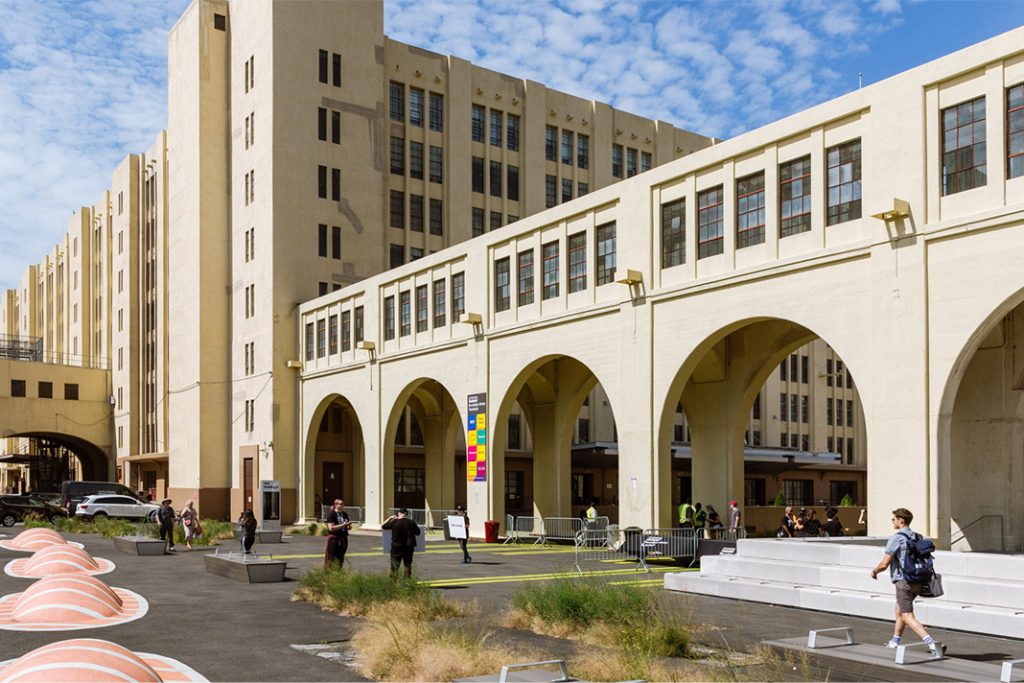
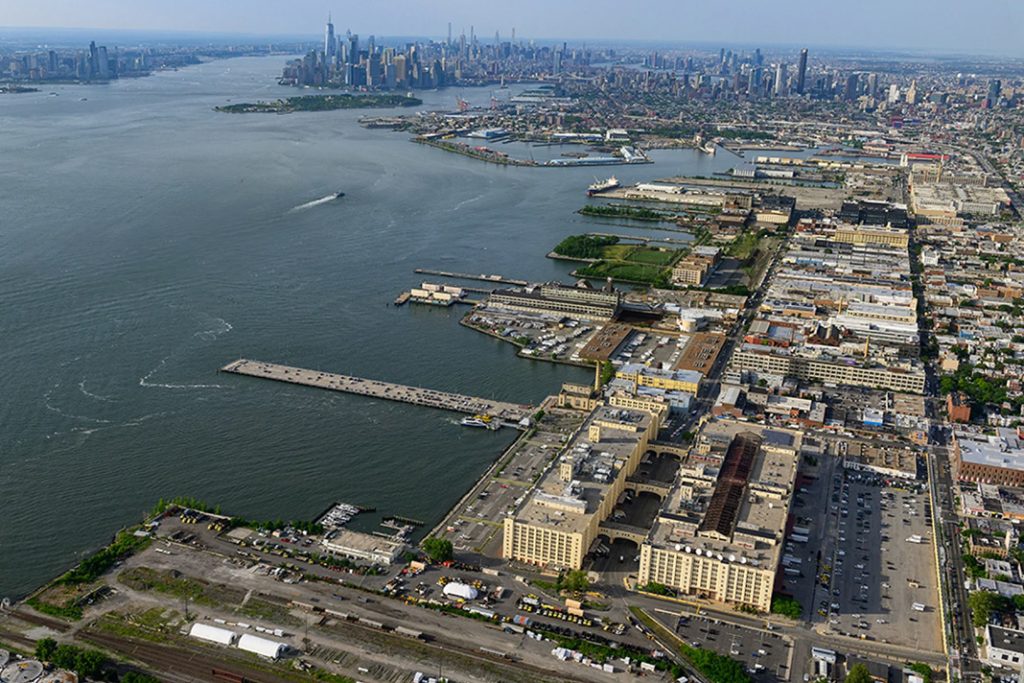
Brooklyn Army Terminal (BAT) began as a World War II-era military supply base. Today it is New York City’s largest publicly owned industrial campus, with 59 waterfront acres, more than 4 million square feet and over 100 businesses. In this episode of Industry Insights, Bridget Chansakul, Vice President of Leasing & Portfolio Management at NYCEDC, explains what space is available and what’s planned for the 250,000+ square feet of new industrial space in Building A. She also covers how the ferry, parking and on-site childcare help tenants hire and keep workers, along with workforce partnerships, City incentives for manufacturers and where BAT is headed next.
Get In Touch
Google news and SEO compliant, Industry Today’s state-of-the-art digital media platform offers bespoke media campaigns that target key decision makers and buyers to achieve your marketing and promotional goals.

Contribute
Showcase your brand and promote your business to our highly targeted audience. We offer detailed Google Analytics with measurable ROI to assure success. Submit your content for review by our Editorial team who will contact you to discuss the project further.
About Us
Reach Your Targeted Audience and Grow Your Business. Learn more About Industry Today.
Contact Us

© 2026 Industry today. All Rights reserved.