Subscribe to Industry Today’s regular e-newslettersindustrytoday.com
Subscribe https://industrytoday.com/wp-content/uploads/2026/10/BAT_Construction_728x90@2x.png
https://industrytoday.com/wp-content/uploads/2026/10/BAT_Construction_728x90@2x.png
https://industrytoday.com/wp-content/uploads/2026/10/BAT_Construction_728x90@2x.png
Improve construction safety and efficiency with strategies for hazard prevention, equipment maintenance, and consistent processes.
Construction companies operate in environments where safety, productivity, and equipment reliability are closely connected. Employees may work around heavy machinery, elevated surfaces, electrical systems, vehicles, and constantly changing job-site conditions. Creating safer workplaces therefore requires more than responding to accidents after they happen. It involves identifying risks, maintaining equipment, and developing processes that support employees throughout every stage of a project.
The scale of the construction industry also makes effective workplace management particularly important. With so many workers, employers, and projects involved, companies need practical systems that can be applied consistently. By strengthening safety practices, maintaining essential equipment, and improving day-to-day operations, construction businesses can create workplaces that are both safer and more productive.
Workplace safety should begin with identifying potential hazards before employees encounter them. Construction companies can conduct regular site inspections, review equipment conditions, and evaluate whether workers have the training and protective equipment needed for their specific responsibilities.
The importance of these efforts becomes clear when looking at workplace injury data. According to the Bureau of Labor Statistics, 5,283 fatal work injuries were recorded across the United States in 2023. While fatalities occur across many industries, the figure demonstrates why employers need to take hazard prevention seriously.
Safety procedures should address both common and job-specific risks. Employees may need training for operating machinery, working at heights, handling materials, using electrical equipment, or navigating areas where multiple pieces of equipment are operating simultaneously. Clear communication can also help workers understand changing conditions as a project progresses.
Regular safety meetings can provide an opportunity to discuss hazards, reinforce procedures, and address employee concerns. Companies can also establish processes for reporting unsafe conditions without employees feeling discouraged from speaking up.
Another important consideration is emergency preparedness. Workers should know what to do if someone is injured, equipment malfunctions, a fire occurs, or another emergency develops. Accessible first-aid supplies, clearly communicated evacuation procedures, and designated emergency contacts can help employees respond more effectively.
Construction operations depend heavily on equipment and building systems functioning properly. Preventive maintenance can help companies identify developing problems before they interfere with operations or create additional safety concerns.
Maintenance schedules should be based on the equipment manufacturer’s recommendations, operating conditions, usage, and inspection findings. Keeping accurate records can also help managers determine when equipment needs servicing, repair, or eventual replacement.
Heating systems provide one example of why maintenance and long-term planning matter. According to ServiceTitan, furnaces can have a service life of up to 15 years. However, equipment longevity can depend on factors such as maintenance, operating conditions, installation quality, and how heavily the system is used.
For construction companies, maintaining heating and cooling equipment can be particularly important when managing offices, workshops, warehouses, or other facilities associated with operations. A poorly maintained system may operate less effectively, experience unexpected failures, or require premature replacement.
The same planning principle applies to construction equipment. Companies can establish inspection schedules for vehicles, tools, machinery, and other assets. Employees should also know how to recognize warning signs and report equipment problems promptly.
Replacing equipment isn’t always the most economical response to a problem. In some cases, timely maintenance can extend useful service life. In others, continued repairs may indicate that replacement should be considered. Reviewing maintenance records can help managers make that decision based on actual operating history.
Construction companies often coordinate employees, subcontractors, equipment, materials, suppliers, and clients across multiple projects. Without organized processes, communication gaps can create delays, confusion, and unnecessary risks.
The industry itself is enormous. According to the Construction Association, more than 733,000 employers operate in the construction industry, employing over 7 million people and producing nearly $1.4 trillion worth of structures each year. Such a large and complex industry requires companies to think carefully about how their internal processes support workers and projects.
Digital tools can help centralize schedules, inspection records, maintenance documentation, safety reports, and project information. When employees and managers can access current information, they may be better positioned to identify problems and coordinate their responsibilities.
Companies can also establish standardized procedures for recurring tasks. Checklists for equipment inspections, onboarding processes for new employees, documented safety protocols, and consistent reporting procedures can reduce uncertainty across different job sites.
Efficiency should not come at the expense of safety. In fact, well-organized operations can support both objectives. When employees understand their responsibilities, equipment is maintained regularly, and communication channels are clear, companies can reduce preventable disruptions while creating a more dependable working environment.
Building a safer and more efficient construction workplace requires an ongoing commitment to prevention, maintenance, communication, and process improvement. By treating safety and operational efficiency as interconnected priorities, construction companies can better support their employees while keeping projects moving forward.
Forging the Next 250 Years: Powering the Next Era of American Manufacturing
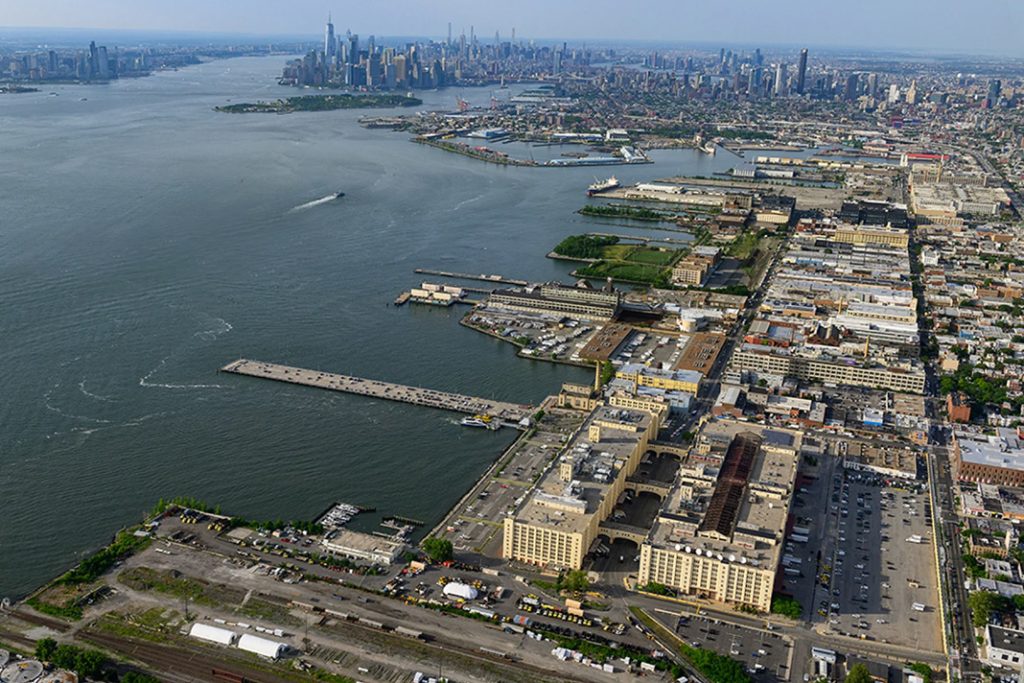
Brooklyn Army Terminal (BAT) began as a World War II-era military supply base. Today it is New York City’s largest publicly owned industrial campus, with 59 waterfront acres, more than 4 million square feet and over 100 businesses. In this episode of Industry Insights, Bridget Chansakul, Vice President of Leasing & Portfolio Management at NYCEDC, explains what space is available and what’s planned for the 250,000+ square feet of new industrial space in Building A. She also covers how the ferry, parking and on-site childcare help tenants hire and keep workers, along with workforce partnerships, City incentives for manufacturers and where BAT is headed next.
Get In Touch
Google news and SEO compliant, Industry Today’s state-of-the-art digital media platform offers bespoke media campaigns that target key decision makers and buyers to achieve your marketing and promotional goals.

Contribute
Showcase your brand and promote your business to our highly targeted audience. We offer detailed Google Analytics with measurable ROI to assure success. Submit your content for review by our Editorial team who will contact you to discuss the project further.
About Us
Reach Your Targeted Audience and Grow Your Business. Learn more About Industry Today.
Contact Us

© 2026 Industry today. All Rights reserved.