Explore how automation, electric forklifts, and new technologies are improving efficiency and sustainability in industrial equipment.
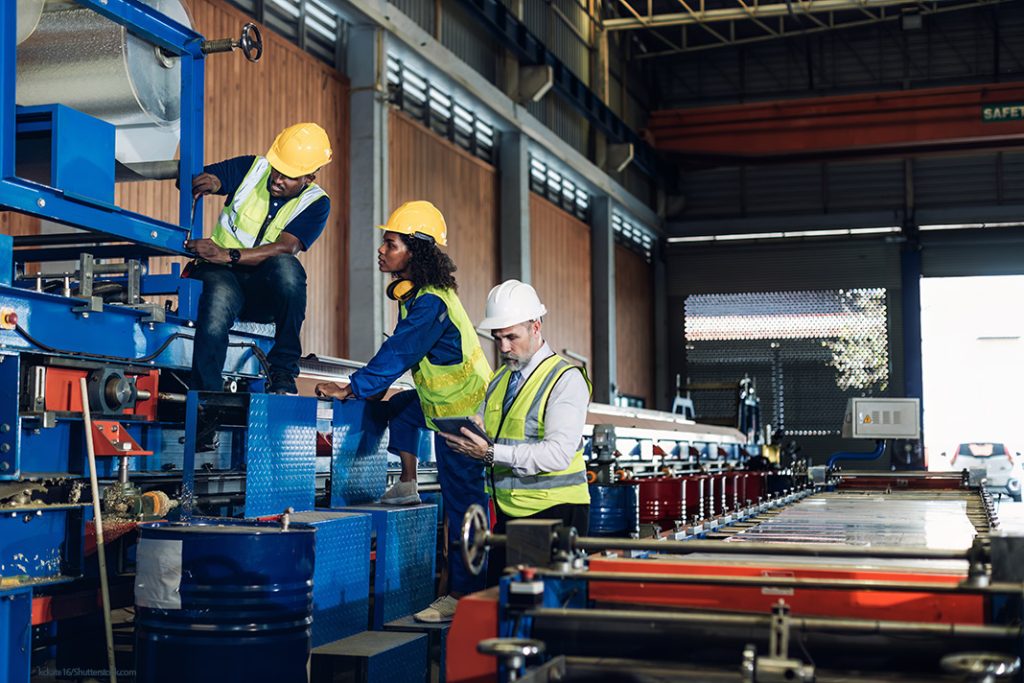
The industrial equipment industry stands at a pivotal moment as technological advancements and innovation continue to reshape its landscape. From automation and increased efficiency to reduced environmental impact, technology is propelling the industry into a new era. This article explores how these transformative changes are affecting different sectors within the industry.
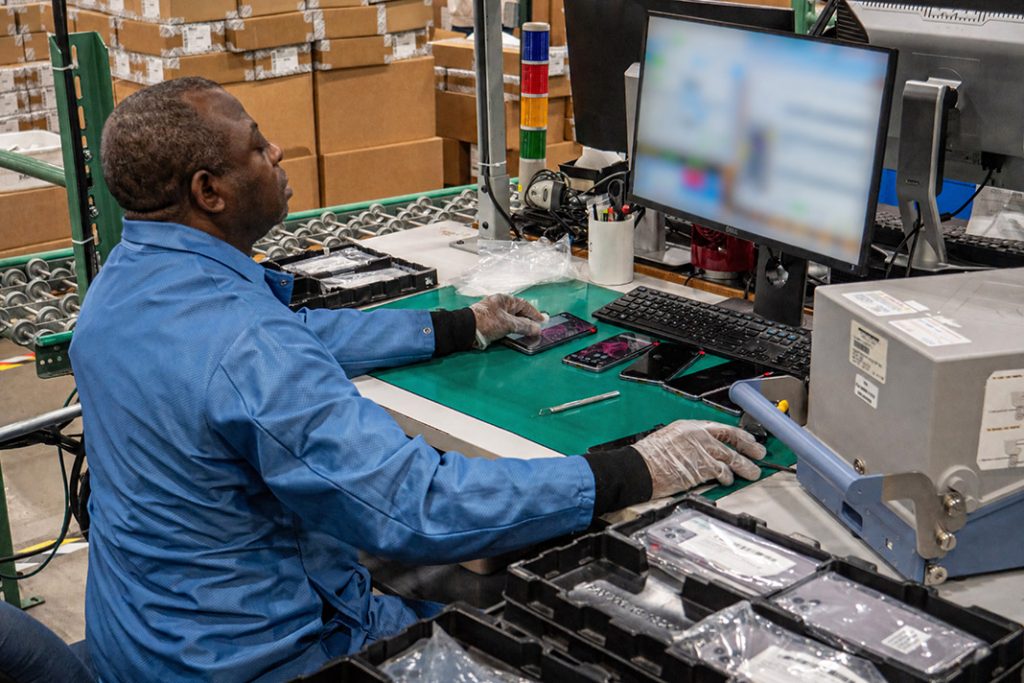
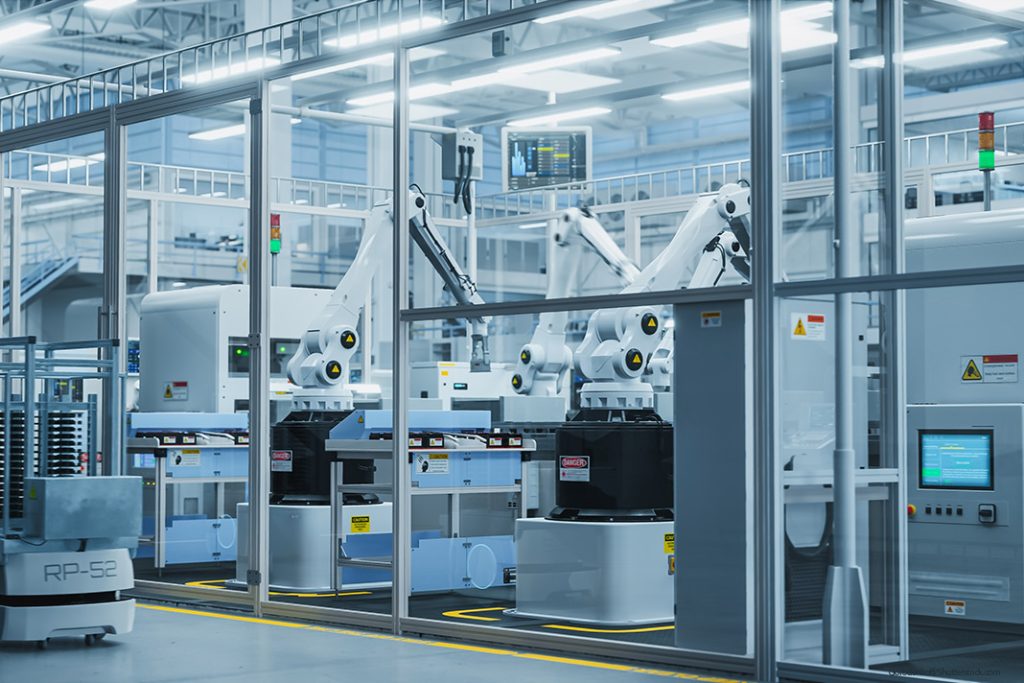
Automation is revolutionizing the industrial equipment industry, delivering unprecedented precision and efficiency. For instance, the adoption of CNC machines exemplifies this shift. According to Fortune Business Insights, the global CNC machine market, valued at $95.29 billion in 2024, is projected to reach $195.59 billion by 2032, with a CAGR of 9.9%, driven by increasing demand for automation and precision across industries.
The rise in demand for automation equipment is largely influenced by the need for efficiency and cost reduction. Automated machines reduce the time taken for production processes and lower the chances of human error. This evolution is a testament to how the industry continues to prioritize improving operational workflows.
Furthermore, investments in technology for automation ensure longevity and competitiveness in the market. The surge in automation also reflects a strategic move toward sustainable practices by reducing waste and optimizing resources. This shift is critical as businesses seek to achieve economic growth while adhering to environmental considerations.
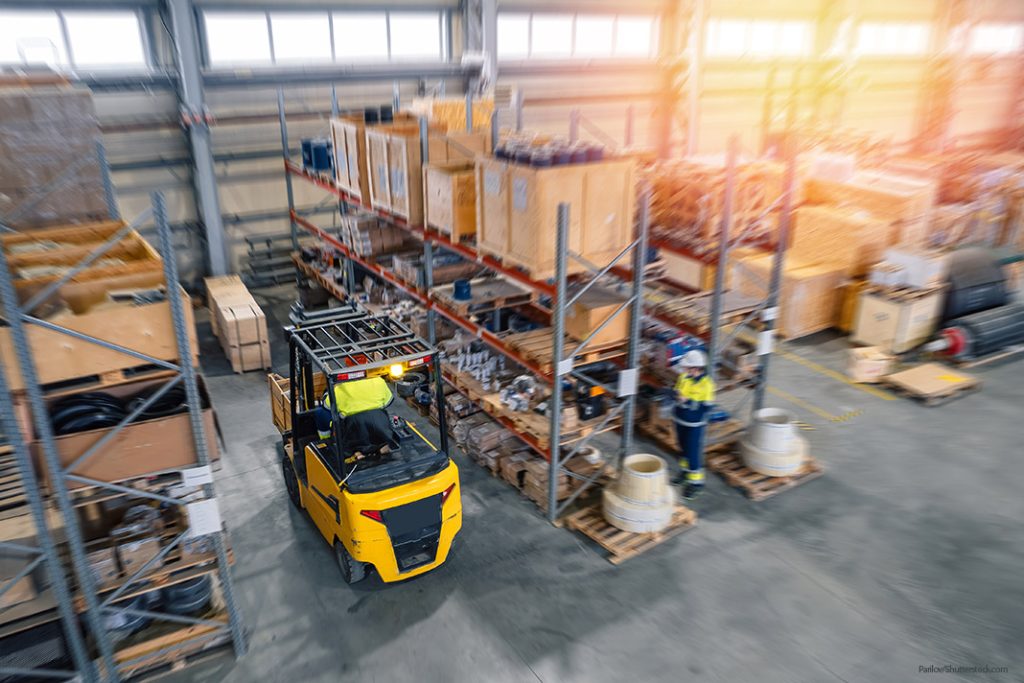
Innovation in the industrial equipment industry not only enhances productivity but also significantly alters market dynamics. For instance, within the forklift sector, there is a notable trend towards electrification and smart technology. According to Industry Research, electric forklifts now account for approximately 61% of global forklift market demand, with installations of autonomous and semi‑autonomous forklifts rising by 24%.
This transition to electric and autonomous forklifts reflects a broader move within the industry to embrace sustainability. Along with reduced emissions, these forklifts offer increased efficiency and lower operational costs, indicating a shift towards environmentally responsible manufacturing processes. The influence of innovation on market dynamics is also evident as businesses adapt to changing regulations and consumer preferences.
In addition to technological enhancements, innovation fosters competition, encouraging companies to continuously improve their products and services. This environment accelerates the pace of advancement and potentially reduces costs for consumers. As a result, markets become more dynamic, responding rapidly to technological changes and consumer needs.
The future of the industrial equipment industry is marked by both promising prospects and significant challenges. As technology continues to evolve, industries must adapt to maintain a competitive edge while navigating the complexities of modern manufacturing. One example can be seen in North America’s concrete pump sector, which, according to FutureMarketInsights.com, is on track to achieve a valuation of USD 2.7 billion by 2036.
While the growth trajectory of technological advancements in the industry is decidedly positive, the true challenge lies in the ability of companies to stay consistently ahead of rapidly evolving technological trends. In an environment that is continually shaped by innovation, businesses must strategically and significantly invest in research and development efforts. Such investments are crucial in order to effectively harness these advancements and remain competitive in the marketplace. This means redirecting resources, reconsidering priorities, and fostering a culture of innovation that incentivizes experimentation and the pursuit of groundbreaking technologies.
In addition to the imperative of embracing new technology, companies are also required to engage in a comprehensive rethinking of traditional business models. In many cases, this transformation necessitates a paradigm shift in organizational thinking, as businesses must demonstrate openness to change, which, while potentially daunting, can be ultimately rewarding. This challenging transition often involves adopting agile methods of operation, which can grant companies the flexibility to adapt swiftly to new trends and customer demands, thus unlocking new opportunities and driving long-term success.
Moreover, these advancements call for an upskilled workforce proficient in operating complex and innovative machinery. There is a pressing need for comprehensive training programs and education initiatives focused on technology to ensure the workforce is equipped to meet the demands of modern industry. This entails not only technical training but also fostering critical thinking, problem-solving, and adaptability among staff. Employees need to be adept at navigating change and continuously updating their skills to keep pace with technological progress. Companies, therefore, must prioritize the balance between the rapid adoption of technology and the ongoing development of human capital, as both are crucial components in ensuring sustainable industrial growth.
Forging the Next 250 Years: Powering the Next Era of American Manufacturing
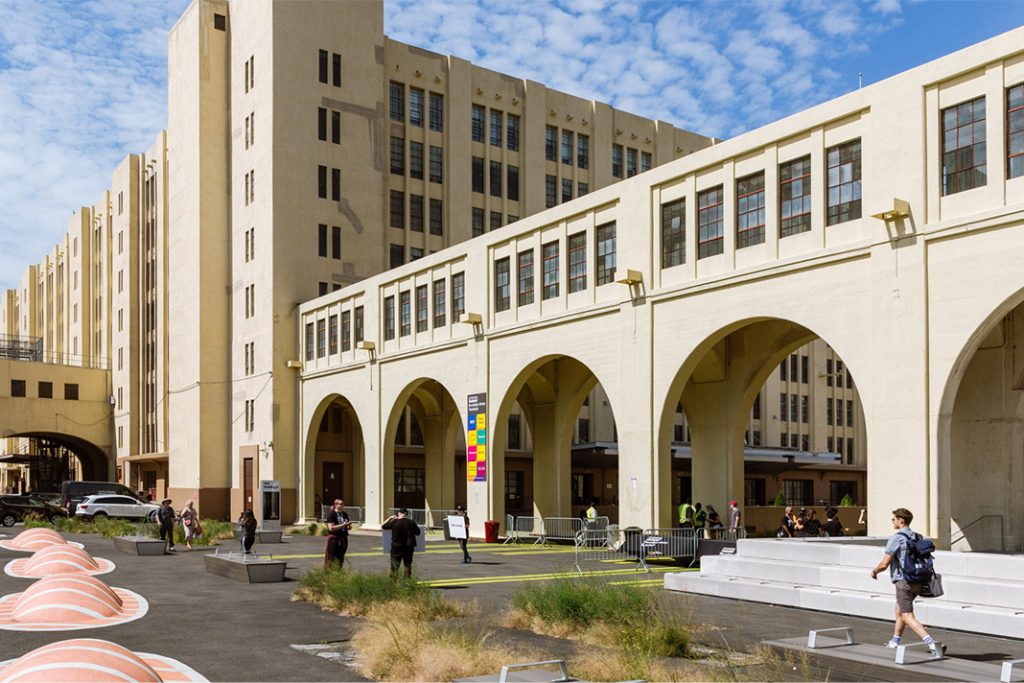
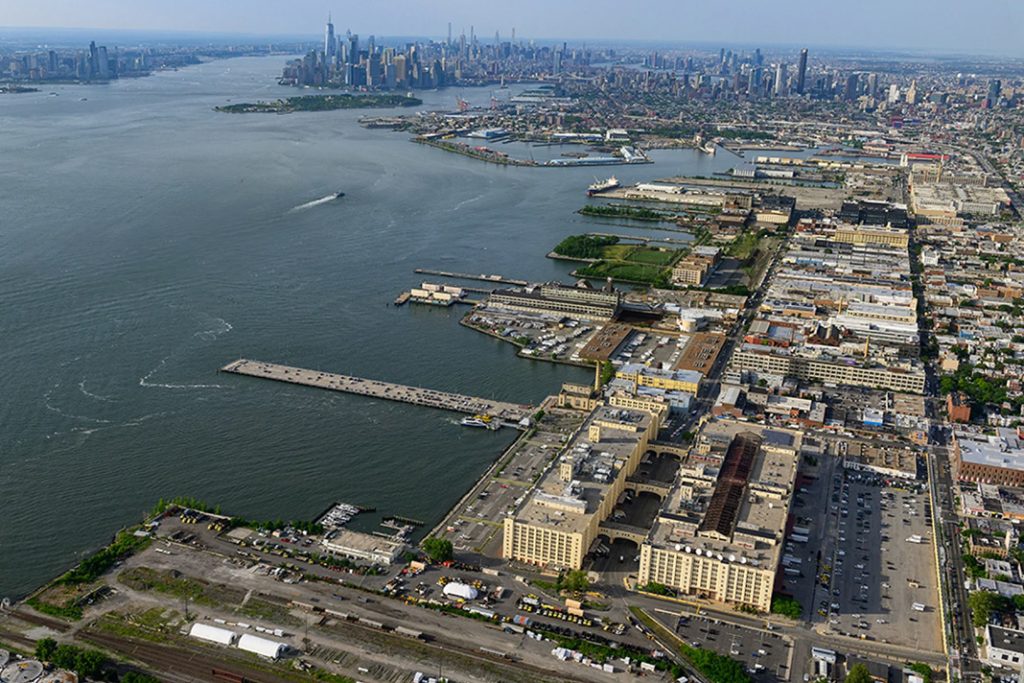
Brooklyn Army Terminal (BAT) began as a World War II-era military supply base. Today it is New York City’s largest publicly owned industrial campus, with 59 waterfront acres, more than 4 million square feet and over 100 businesses. In this episode of Industry Insights, Bridget Chansakul, Vice President of Leasing & Portfolio Management at NYCEDC, explains what space is available and what’s planned for the 250,000+ square feet of new industrial space in Building A. She also covers how the ferry, parking and on-site childcare help tenants hire and keep workers, along with workforce partnerships, City incentives for manufacturers and where BAT is headed next.
Get In Touch
Google news and SEO compliant, Industry Today’s state-of-the-art digital media platform offers bespoke media campaigns that target key decision makers and buyers to achieve your marketing and promotional goals.

Contribute
Showcase your brand and promote your business to our highly targeted audience. We offer detailed Google Analytics with measurable ROI to assure success. Submit your content for review by our Editorial team who will contact you to discuss the project further.
About Us
Reach Your Targeted Audience and Grow Your Business. Learn more About Industry Today.
Contact Us

© 2026 Industry today. All Rights reserved.