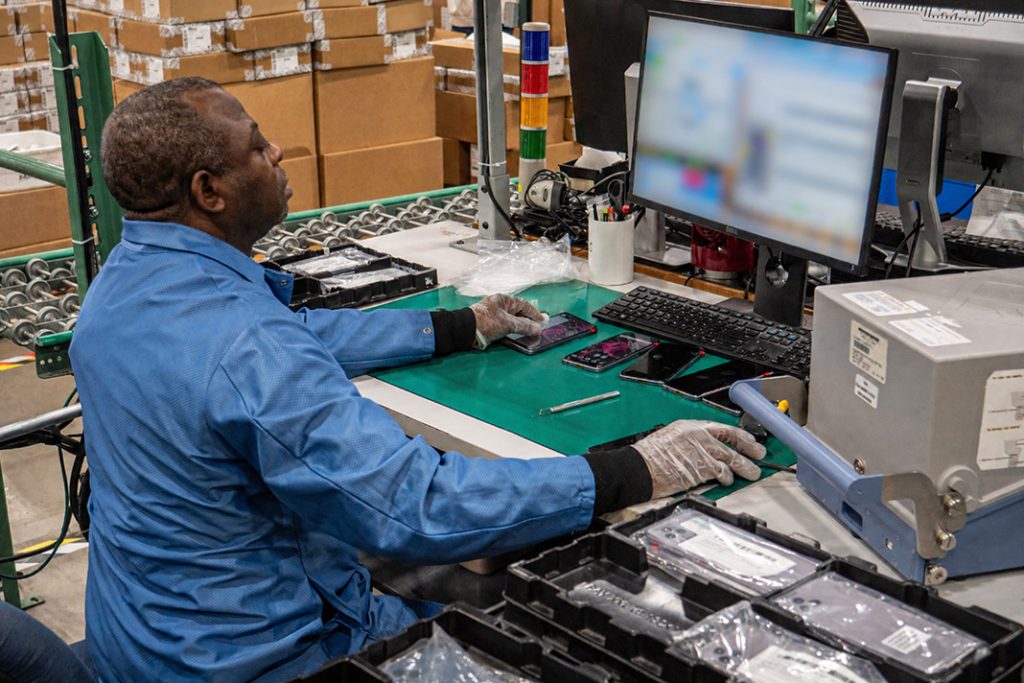
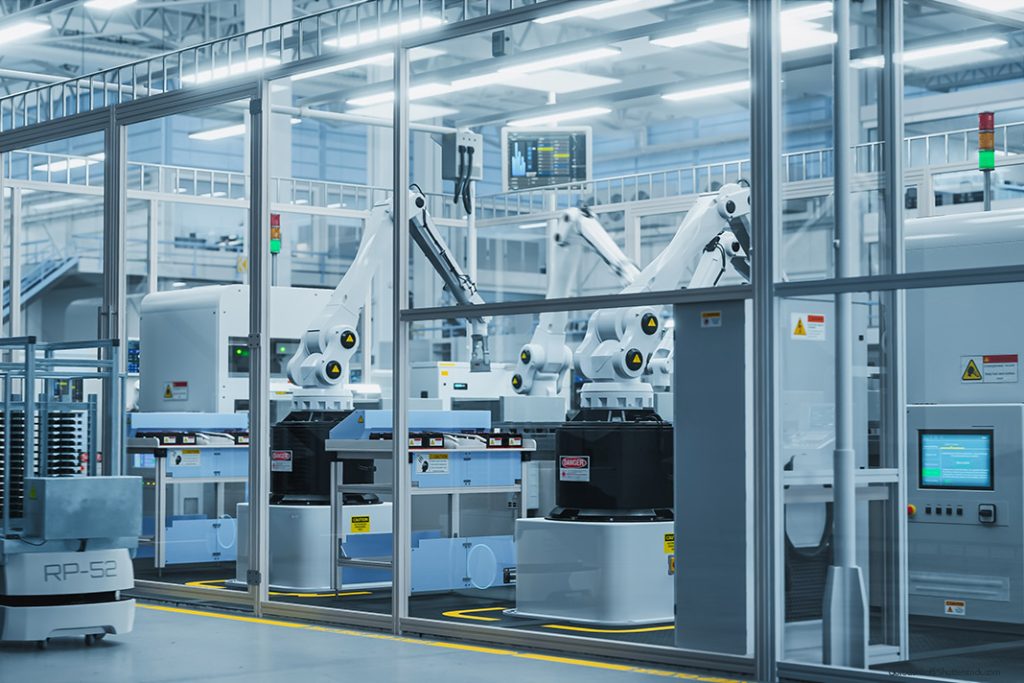
Learn how to standardize, connect and govern maintenance data across complex industrial sites to improve reliability, risk and decisions.
Maintenance teams rarely suffer from a lack of data. The harder problem is turning information from different assets, plants, technicians, sensors, and software platforms into records that people can trust.
A large industrial operation may collect work orders in an enterprise asset management system, equipment readings from SCADA or DCS platforms, condition data from IoT sensors, inventory information from ERP software, and inspection findings from mobile applications.
When those records use different asset names, timestamps, failure codes, or hierarchies, maintenance teams lose context. Effective maintenance data management creates a consistent structure that connects equipment condition, work history, risk, cost, and maintenance actions.
A reliable data strategy begins with the asset hierarchy.
Every physical asset should have a consistent identity across EAM, CMMS, ERP, historian, GIS, and operational systems. Equipment naming, functional locations, asset classes, criticality ratings, and parent-child relationships should follow documented standards.
Teams should also standardize core maintenance fields such as:
Free-text notes remain useful for technician observations, but structured fields make analysis across thousands of work orders possible.
NIST research on manufacturing maintenance costs estimated average annual maintenance-related costs and losses at approximately $222 billion.
The research also found that manufacturers in the group relying less heavily on reactive maintenance and more on preventive and predictive approaches had 52.7% less unplanned downtime and 78.5% fewer defects than the group relying most heavily on reactive maintenance.
The findings reinforce an important data-management principle. Maintenance records have value when they help organizations identify failures earlier and make better intervention decisions.
Connecting maintenance systems with industrial control environments creates valuable operational visibility, but it can also introduce new pathways between IT and OT systems.
Industrial organizations should treat cybersecurity information as part of asset data rather than maintaining it in a completely separate operational silo.
OT Cybersecurity Solutions can help organizations connect cyber risk with enterprise asset management and reliability processes. TRM’s approach supports prioritizing remediation based on asset criticality and coordinating corrective actions with maintenance windows, helping operations, maintenance, and security teams work from a shared operational context.
This approach is particularly important for utilities, manufacturing plants, energy infrastructure, and other facilities where unnecessary downtime can have significant operational consequences.
The U.S. Department of Energy O&M Best Practices Guide reports that an effective predictive maintenance program can provide estimated savings of 8% to 12% compared with preventive maintenance alone.
The guide also cites industrial survey averages indicating maintenance cost reductions of 25% to 30% after implementing functional predictive maintenance programs.
Achieving those benefits requires more than collecting sensor readings. Organizations need reliable equipment identities, maintenance histories, condition information, and workflows that convert detected problems into planned work.
Cleaning databases once a year will not solve recurring quality problems. Controls should exist where information enters the system.
Required fields, barcode or RFID asset identification, controlled failure-code lists, automated timestamps, validation rules, and mobile work-order workflows can reduce manual errors.
Technicians also need to understand why fields matter. Asking workers to complete twenty fields that no one uses encourages shortcuts. Collect the smallest set of information required to support maintenance, reliability, regulatory, and financial decisions.
Maintenance decisions often depend on information outside the CMMS.
A reliability engineer investigating repeated pump failures might need work history from IBM Maximo or another EAM platform, process conditions from a historian, vibration trends from condition-monitoring sensors, production losses from manufacturing systems, and spare-part information from ERP.
Integration should preserve context between these systems.
Instead of moving every available data point into one enormous repository, determine what decisions the organization needs to make. Then identify the minimum reliable data required to support those decisions.
This keeps industrial data architectures manageable while reducing unnecessary duplication.
Not every maintenance record requires the same level of accuracy, security, or urgency.
A useful approach is to classify data according to the consequences of a bad decision.
Create three categories:
Then assign accuracy, validation, access, retention, and synchronization requirements to each category.
This prevents organizations from applying identical governance rules to every field. More importantly, it directs the strongest controls toward information that carries the greatest operational consequence.
Enterprise organizations often discover that individual plants describe identical assets differently.
One facility might classify a failure as “bearing damage,” another as “mechanical failure,” and another might enter the problem only in technician notes. Corporate reliability teams cannot compare those records confidently.
Create enterprise-level standards for asset classes, failure taxonomies, work types, criticality, and KPI calculations while allowing limited site-specific attributes when genuinely necessary.
Predictive analytics cannot repair weak operational data automatically.
Machine learning models need dependable relationships between equipment identity, operating conditions, failures, interventions, and outcomes. Missing timestamps or inconsistent failure codes can make patterns appear meaningful when they are not.
Start advanced analytics with high-criticality assets where sufficient maintenance and condition history exist. Validate model findings with reliability engineers and experienced technicians before using predictions to change maintenance schedules.
The objective is not more dashboards. It is faster and better supported for maintenance decisions.
Maintenance data management is the process of collecting, organizing, validating, governing, securing, and using information about physical assets and maintenance activities. It includes asset records, work orders, inspections, failure histories, parts, labor, condition readings, and costs. Reliable management allows teams to make consistent maintenance and reliability decisions.
Maintenance data quality determines whether planners and reliability engineers can trust reports, KPIs, failure analysis, and predictive models. Missing failure codes, duplicate assets, incorrect timestamps, or incomplete work orders can hide recurring problems. Accurate and consistent records improve maintenance planning, asset reliability, inventory decisions, and performance analysis.
Teams should collect information that supports an identifiable operational decision. Core data commonly includes asset identity, location, criticality, failure mode, work performed, labor, parts, downtime, meter readings, condition measurements, and completion timestamps. Avoid collecting fields simply because software supports them. Every required field should have a defined purpose.
A CMMS centralizes work orders, preventive maintenance schedules, asset histories, labor, inventory, and maintenance records. Standardized workflows make information easier to capture and analyze. For complex operations, the CMMS may also exchange data with EAM, ERP, SCADA, IoT, condition-monitoring, and business intelligence systems.
Start with decisions, not data volume. Identify the maintenance decisions that affect safety, reliability, production, and cost, then define the information needed to support them.
Standardize asset hierarchies and failure codes across sites. Validate information when technicians enter it instead of relying on periodic cleanup. Connect EAM, CMMS, operational, and cybersecurity context carefully.
Finally, measure whether data helps teams detect problems, prioritize risk, plan work, and prevent avoidable failures. Maintenance data becomes valuable when it changes what the organization does next.

Forging the Next 250 Years: Powering the Next Era of American Manufacturing
Brooklyn Army Terminal (BAT) began as a World War II-era military supply base. Today it is New York City’s largest publicly owned industrial campus, with 59 waterfront acres, more than 4 million square feet and over 100 businesses. In this episode of Industry Insights, Bridget Chansakul, Vice President of Leasing & Portfolio Management at NYCEDC, explains what space is available and what’s planned for the 250,000+ square feet of new industrial space in Building A. She also covers how the ferry, parking and on-site childcare help tenants hire and keep workers, along with workforce partnerships, City incentives for manufacturers and where BAT is headed next.
Get In Touch
Google news and SEO compliant, Industry Today’s state-of-the-art digital media platform offers bespoke media campaigns that target key decision makers and buyers to achieve your marketing and promotional goals.

Contribute
Showcase your brand and promote your business to our highly targeted audience. We offer detailed Google Analytics with measurable ROI to assure success. Submit your content for review by our Editorial team who will contact you to discuss the project further.
About Us
Reach Your Targeted Audience and Grow Your Business. Learn more About Industry Today.
Contact Us

© 2026 Industry today. All Rights reserved.