Manufacturers are involving risk teams earlier in strategic planning to spot threats, weigh tradeoffs, and build more resilient decisions.
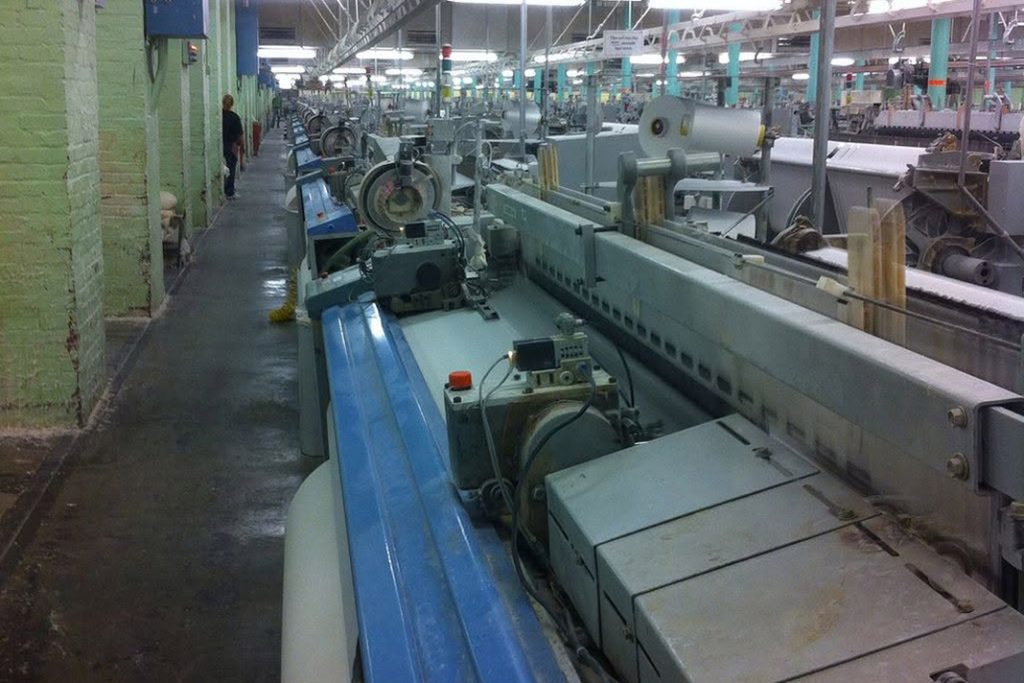
Manufacturers are exposed to an entirely different set of risks than those faced by businesses in other industries. It might therefore be a good idea to think about these risks in a different way, and to take different steps to mitigate them. Specifically, in manufacturing, it’s better to act earlier – and to adopt the right strategies with the help of the right risk teams.
Traditionally, risk management is a retrospective exercise. The business takes a decision, and the risk management team explores the potential ramifications of that decision. The reliability of a new supplier might be questioned. The consequences of a disruption might be explored. In short, the team will ask what might go wrong.
Since the risks faced by modern manufacturers are now more interconnected than ever, there’s a stronger case for factoring them into strategic decisions, before those decisions are made.
This needn’t always result in the business becoming more risk-averse. It simply means that the risks are calculated more precisely, and that decisions are made in full view of the consequences.
For example, an overseas investment might promise lower operating costs, and a new market to export into. But the risk team might highlight political instability, infrastructure problems, and volatility in the local currency.
By involving risk teams early, the drawbacks can be weighed. Ideally, outside expertise, in the form of consultants, might be drawn in, too.
The most consequential decisions, of course, are the ones that involve significant investment, and significant exposure. A risk team might not only predict what’s likely to happen, but present management with a range of different possible circumstances.
Rather than relying on a single forecast, management might look at a range of contingencies and prepare for all of them.
This might allow us to not only judge whether an investment is warranted, but also to judge what safeguards might be worthwhile and necessary.
Different parts of the business might ask different questions. The risk team might wonder what could go wrong; the operations team might look for efficiency gains; the finance team, as ever, will look at the money.
In the worst cases, these perspectives are siloed from one another – which can lead to worse outcomes for the business as a whole. By involving the risk team as early as possible, we can strengthen decision-making overall.
Risk management needn’t just be a thing that reduces growth, and acts as a restraint on the ambitions of other parts of the business. In many cases, it can conduct analyses far more quickly, and steer the business toward the path of least risk. This makes wins more likely. Over time, as the wins accumulate, the organisation as a whole might find itself drawing ahead of the competition!

Forging the Next 250 Years: Powering the Next Era of American Manufacturing
As manufacturers offer more customization than ever before, managing product complexity has become a critical challenge. Tune in with Dan Joe Barry, Vice President of Product Marketing at Configit, who explores how companies are tackling the growing number of product configurations across engineering, sales, manufacturing, and service. He explains how Configuration Lifecycle Management (CLM) helps organizations maintain a single source of truth for configuration data. The result: fewer errors, faster quoting, and the ability to deliver customized products at scale.
Get In Touch
Google news and SEO compliant, Industry Today’s state-of-the-art digital media platform offers bespoke media campaigns that target key decision makers and buyers to achieve your marketing and promotional goals.

Contribute
Showcase your brand and promote your business to our highly targeted audience. We offer detailed Google Analytics with measurable ROI to assure success. Submit your content for review by our Editorial team who will contact you to discuss the project further.
About Us
Reach Your Targeted Audience and Grow Your Business. Learn more About Industry Today.
Contact Us

© 2026 Industry today. All Rights reserved.