Subscribe to Industry Today’s regular e-newslettersindustrytoday.com
Subscribe https://industrytoday.com/wp-content/uploads/2026/10/BAT_Construction_728x90@2x.png

Conserving a terra-cotta cornice and Puerto Rican patrimony: Dome of the Capitol Building repairing and protecting the terra-cotta cornice.

Construction of El Capitolio (the Capitol Building of Puerto Rico) began in 1925 in the neighborhood now known as “Old San Juan”.
The building contains two chambers, with the Senate on one side, the House of Representatives on the other, and an array of galleries, friezes and mosaics in between. A vast marble staircase faces Ponce de Leon Avenue and gives access to the building to the south.
The building also boasts an impressive rotunda in which Puerto Rico’s 1952 constitution is exhibited. The Rotonda extends upwards to the three floors of the building. The cornice adorns the base of the dome, which rises at the center of the building on an octagonal drum.
In 1998, an investigation revealed several major problems which were related to the ingress of large quantities of salt-laden moisture.
The corrosion had been so severe that it was no longer possible to establish the exact dimensions of any of the former steel elements. Some had disappeared totally, leaving only rusty stains in the terra-cotta work.
Severe cracking and movement of the corners were also evidence of a structural failure and deterioration.
It was recommended that all heavily damaged and collapsing areas of the cornice be dismantled and rebuilt using high quality matching new units from a well-established terra cotta manufacturer. To retain as much original material as possible, it was also recommended that the undamaged but unstable areas of terra cotta be stabilized in-situ using the Cintec anchoring system.
The reinforcement solution utilized a corrosion-resistant metal Cintec anchor, expertly designed to endure the test of time and environmental factors. This anchor is encased in Presstec© grout, a proprietary mix that not only provides excellent adhesion but also enhances the overall durability of the system. The meticulous drilling and insertion of the anchors into the façade was done with precision, ensuring that the structural support was evenly distributed.
The Cintec system played a vital role in the preservation and reinforcement of the historic terracotta façade of El Capitolio, an architectural treasure that exemplifies historical significance.
This innovative system is specifically engineered to enhance structures while avoiding any disruption to the original materials, which is particularly important for maintaining the integrity of such a crucial architectural feature.
By not requiring the removal of the façade, the Cintec system significantly mitigates the risk of damaging these essential elements, safeguarding their historical and aesthetic value.
This targeted reinforcement not only strengthens the façade against potential damage, but also preserves its visual and historical integrity, allowing El Capitolio to continue standing as a testament to its cultural legacy for generations to come.
The Cintec system represents a significant advancement in restoration technology, demonstrating how modern methods can be harmoniously integrated into the conservation of historic structures. This approach reflects a growing awareness of the need to protect and maintain our architectural heritage while addressing contemporary structural challenges.
By utilizing such innovative solutions, we can ensure that historic sites like El Capitolio remain safe and accessible, allowing future generations to appreciate their beauty and historical context.

Forging the Next 250 Years: Powering the Next Era of American Manufacturing
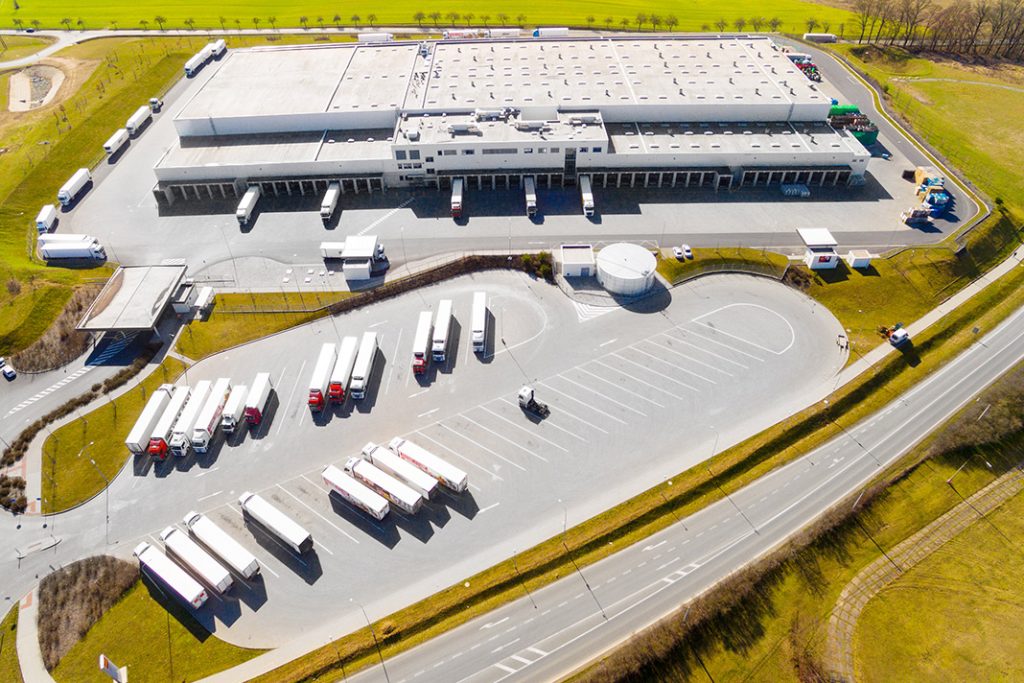
Brooklyn Army Terminal (BAT) began as a World War II-era military supply base. Today it is New York City’s largest publicly owned industrial campus, with 59 waterfront acres, more than 4 million square feet and over 100 businesses. In this episode of Industry Insights, Bridget Chansakul, Vice President of Leasing & Portfolio Management at NYCEDC, explains what space is available and what’s planned for the 250,000+ square feet of new industrial space in Building A. She also covers how the ferry, parking and on-site childcare help tenants hire and keep workers, along with workforce partnerships, City incentives for manufacturers and where BAT is headed next.
Get In Touch
Google news and SEO compliant, Industry Today’s state-of-the-art digital media platform offers bespoke media campaigns that target key decision makers and buyers to achieve your marketing and promotional goals.

Contribute
Showcase your brand and promote your business to our highly targeted audience. We offer detailed Google Analytics with measurable ROI to assure success. Submit your content for review by our Editorial team who will contact you to discuss the project further.
About Us
Reach Your Targeted Audience and Grow Your Business. Learn more About Industry Today.
Contact Us

© 2026 Industry today. All Rights reserved.