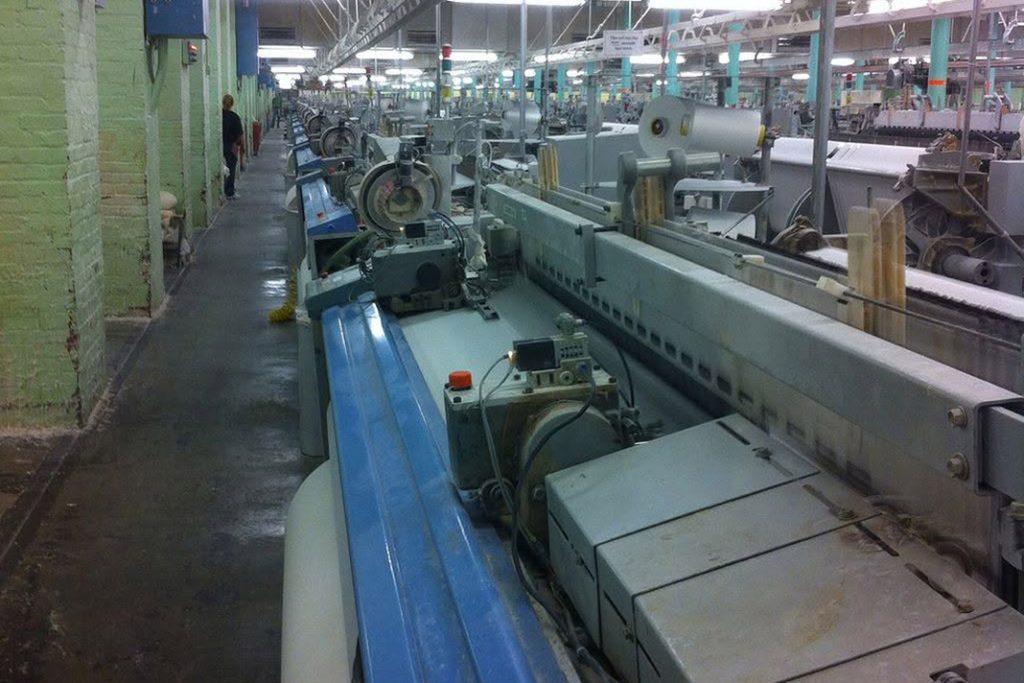
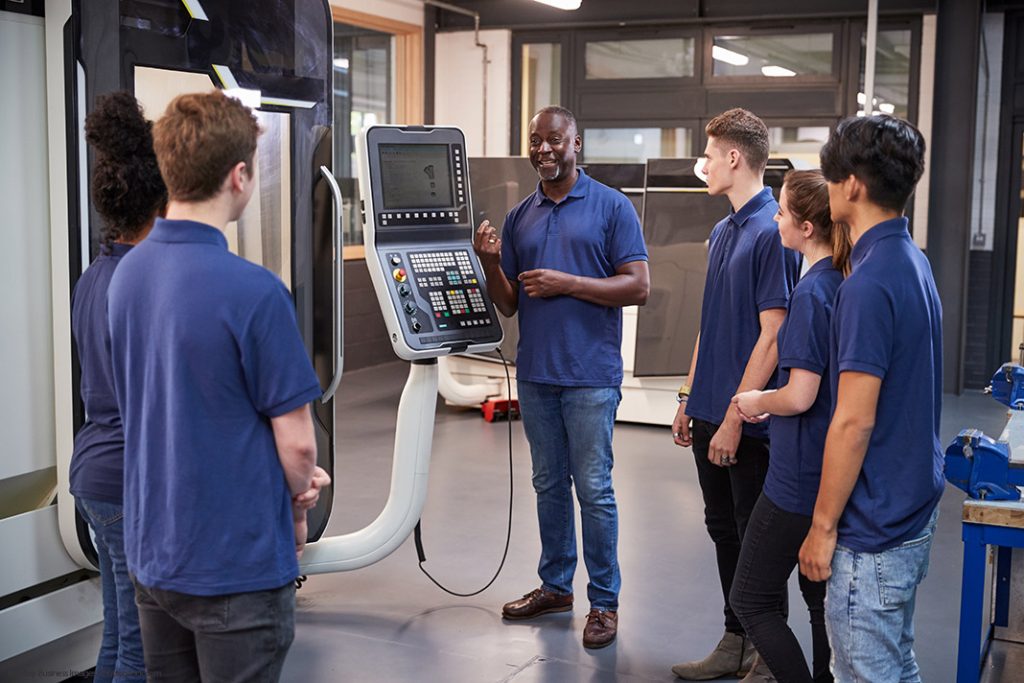
Vehicle salary packaging can help manufacturers strengthen employee benefits and attract skilled workers in a competitive industrial labor market.
A maintenance technician with ten years on CNC production lines gets two job offers in the same week. The hourly rates are similar. Not identical, but close, so the rest of the package (the roster, the training, the way the employer talks about the role) ends up as one more thing on the scales.
Plenty of manufacturers will recognise that situation. In many industrial sectors, competition for experienced fitters, electricians and technicians can make both hiring and holding on to people difficult, and a higher hourly rate is often only part of the answer. Australia has one benefit model worth a look here. It centres on vehicle salary packaging, and it has an unusual feature: in many cases it can follow the worker when they move.
Wage competition has a ceiling of sorts. One business lifts its rates; a competitor down the road responds; a year later both are paying more for the same people and neither is noticeably better off.
Then there’s the cost of replacing someone. Advertising, interviews, induction, and the weeks (sometimes months) before a new starter is fully comfortable on a particular line. What leaves with an experienced technician is harder to price: knowing which machine runs warm by mid-shift, which tolerances the older equipment really holds, who to call when a supplier’s part doesn’t quite fit. Very little of it is written down.
So some employers have started looking harder at total remuneration rather than the hourly figure alone. Rosters that suit family life. Training with a clear path attached. Health cover in some markets, retirement contributions in others.
And the commute. For shift workers at regional or outer-suburban sites, where a bus might come once an hour (if at all), getting to work is a real, daily cost.
Vehicles have been part of industrial pay for a long time. Site managers, sales staff and senior engineers were often handed keys with the job, the car owned or leased by the business and picked by whoever ran the fleet.
That hasn’t gone away, and many operational roles still need a work vehicle. Around the world, though, employers have found other ways to help with the cost of getting to work. Some pay a regular car or travel allowance and leave the rest to the employee. Others contribute toward public transport, or offer a flexible budget that can be spent on whichever kind of travel suits the person. In some places, the employee chooses their own car and its cost runs through their pay.
Each approach reflects local tax rules and local habits, which is why it’s hard to talk about one model that fits everywhere. A benefit that works well in one country may make little sense in another.
The direction is fairly clear, though. Less a car that comes with the job. More an arrangement the employee shapes, with the employer helping it happen. Australia offers a well-developed example of that last approach.
Australia is a useful case, largely because its version of this arrangement is built around employee choice.
It usually goes by the name novated leasing: a three-way salary packaging agreement between an employee, their employer and a finance provider. The employee chooses the vehicle. The employer then makes the agreed lease payments, funded through salary deductions under the agreed packaging arrangement. The tax treatment is a separate matter. It depends on the vehicle, the applicable fringe benefits tax rules and the employee’s circumstances, so a tax advantage is not guaranteed.
Vehicle choice can be wide. New and used cars may both be eligible, and so may hybrids and fully electric models, depending on the provider and the employer’s policy. That flexibility counts for more than it sounds when one person drives ten minutes to work and another drives an hour.
Depending on the arrangement, running costs such as fuel, insurance, registration, servicing and maintenance can be folded into the same regular payments. For some people, one predictable amount is simply easier to plan around.
Lease terms vary from one arrangement to the next. Getting a quote first is sensible, and independent financial advice is worth considering as well.
Here is where it touches workforce planning directly. If an employee changes jobs, an existing novated lease may be transferred to the new employer, provided that employer supports the arrangement and the necessary agreements can be put in place. If a transfer isn’t possible, the employee may need to look at other payment arrangements under the lease terms.
So it’s conditional. Still, it raises a fair question for any manufacturer hiring experienced people. If a good candidate turns up with an existing lease, can the business take it on? Being able to say yes removes one small obstacle from the decision; not being able to may add one.
It works the other way too. The benefit doesn’t tie anyone down, which means its value for retention depends on whether people think the overall package is worth staying for. That’s probably the better test of any benefit.
Outside Australia, the mechanism may not translate directly; local tax rules will decide that. The broader point is easier to carry across. For employers, benefits that deal with employees’ practical needs can add value to a remuneration package beyond their direct cost, though how much will depend on the workforce and on individual circumstances.
For businesses in Australia, a few questions usually come first. Can payroll process salary packaging deductions without errors? Which provider, if any, will the business work with? How will the benefit be explained to staff, including the fact that outcomes differ from person to person?
The processes are manageable, but the administrative detail still needs planning. A benefit tends to earn its keep when employees understand how it works, what it costs them and whether it actually suits their situation. Getting that across clearly matters, especially in a workforce spread over different shifts, where a fair share of people start work long after the office has closed.

Forging the Next 250 Years: Powering the Next Era of American Manufacturing
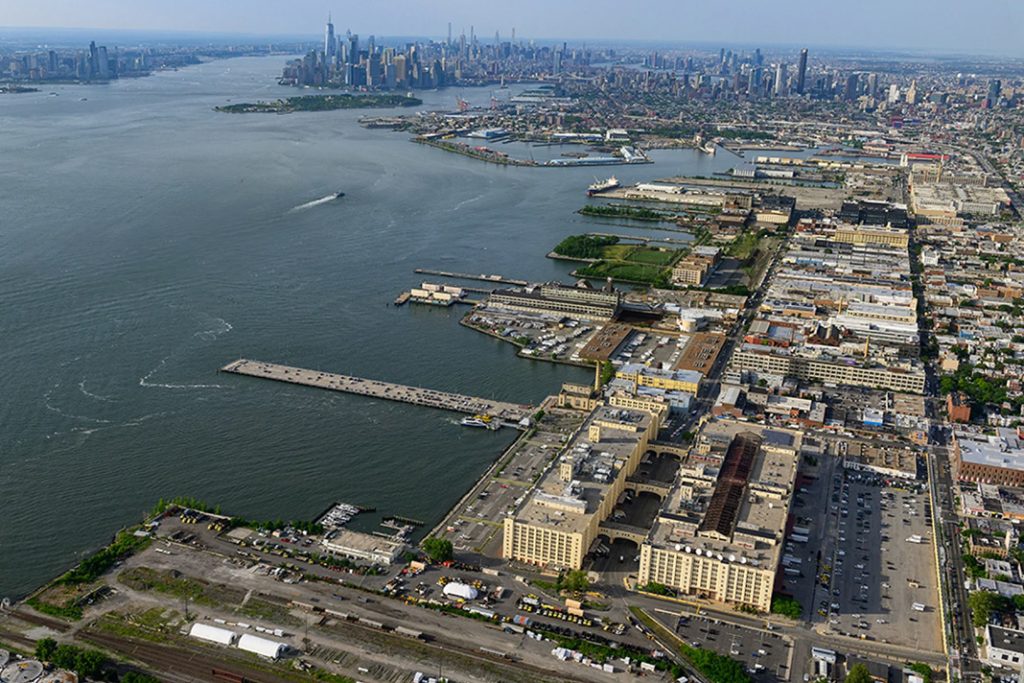
Brooklyn Army Terminal (BAT) began as a World War II-era military supply base. Today it is New York City’s largest publicly owned industrial campus, with 59 waterfront acres, more than 4 million square feet and over 100 businesses. In this episode of Industry Insights, Bridget Chansakul, Vice President of Leasing & Portfolio Management at NYCEDC, explains what space is available and what’s planned for the 250,000+ square feet of new industrial space in Building A. She also covers how the ferry, parking and on-site childcare help tenants hire and keep workers, along with workforce partnerships, City incentives for manufacturers and where BAT is headed next.
Get In Touch
Google news and SEO compliant, Industry Today’s state-of-the-art digital media platform offers bespoke media campaigns that target key decision makers and buyers to achieve your marketing and promotional goals.

Contribute
Showcase your brand and promote your business to our highly targeted audience. We offer detailed Google Analytics with measurable ROI to assure success. Submit your content for review by our Editorial team who will contact you to discuss the project further.
About Us
Reach Your Targeted Audience and Grow Your Business. Learn more About Industry Today.
Contact Us

© 2026 Industry today. All Rights reserved.