How to phase labor management so the operation stays stable and people trust their numbers. For manufacturing, retail and supply chain operations leaders.
ITORIZON INSIGHTS
Labor comes up early in most of our design conversations, because of margin. Procter & Gamble’s Supply Chain 3.0 program targets up to $1.5 billion a year in cost-of-goods savings, and 60% of consumer-sector CEOs rank cost management as a top priority. Three pressures come up at most kickoffs:

Design labor and the core system together, go live with the core system first, and bring labor management to the floor in stages. Turn data capture on at day one, and hold back associate goals until the operation is stable and standards are proven. Same answer on both platforms we implement:
Every standard is built from transactions: picks in Manhattan WMS, work orders and changeovers in Oracle Fusion manufacturing. While those are still settling, the numbers are wrong.
New process, new standards. Directed work, new slotting or a new line layout make a different operation, and old standards won’t fit it.
Early data is noisy. People are still learning and exceptions run high, so early numbers understate the team.
Trust is slow to come back. Associates who see bad numbers in month one doubt the system long after.
Either way it is one design and one program; only the timing changes.
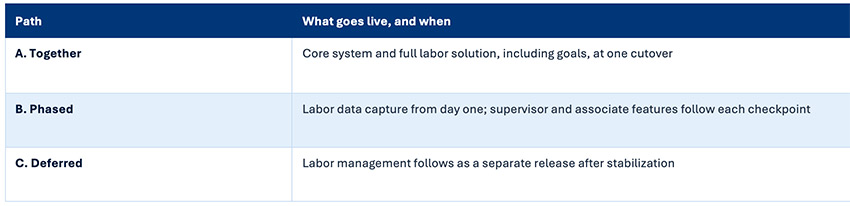
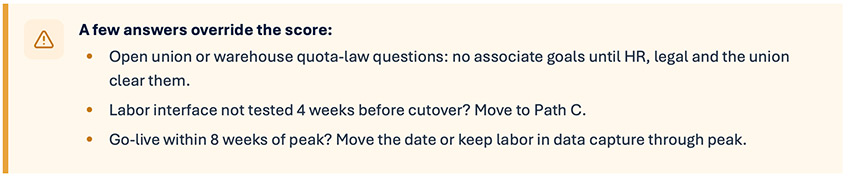
To pick a path, we score each site on nine readiness factors, from savings urgency and process change to labor relations and timing against peak.
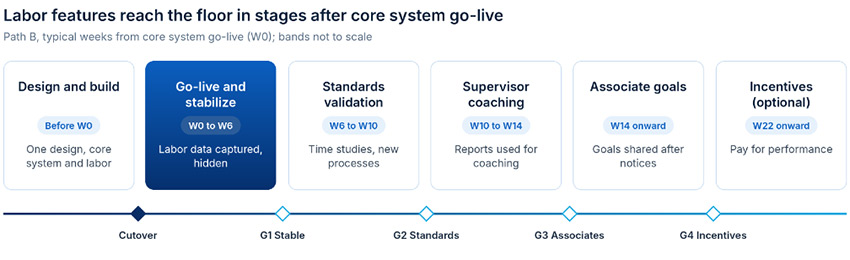
On Path B the core system goes live once, and each labor feature waits for its checkpoint.
About ITOrizon
ITOrizon is an Atlanta-based supply chain consulting and systems integration firm, founded in 2013. It implements Manhattan Associates, Oracle, Blue Yonder and Hardis Group platforms for more than 80 customers in over 15 countries.
Learn more at itorizon.com.
The goal is a workforce that trusts its numbers, not just a system that has gone live

Forging the Next 250 Years: Powering the Next Era of American Manufacturing
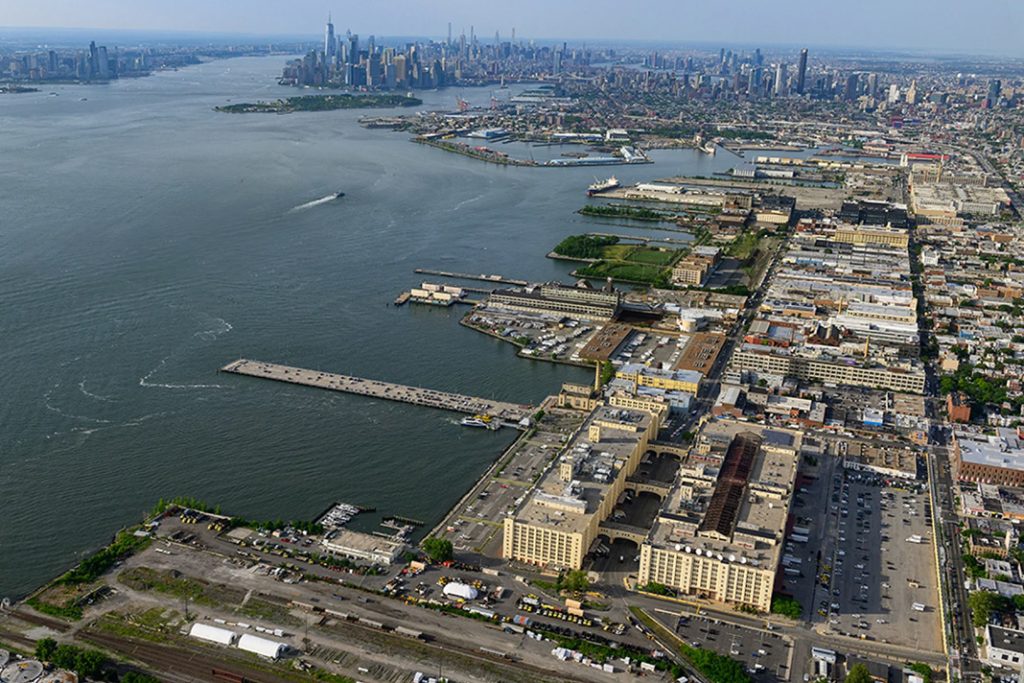
Brooklyn Army Terminal (BAT) began as a World War II-era military supply base. Today it is New York City’s largest publicly owned industrial campus, with 59 waterfront acres, more than 4 million square feet and over 100 businesses. In this episode of Industry Insights, Bridget Chansakul, Vice President of Leasing & Portfolio Management at NYCEDC, explains what space is available and what’s planned for the 250,000+ square feet of new industrial space in Building A. She also covers how the ferry, parking and on-site childcare help tenants hire and keep workers, along with workforce partnerships, City incentives for manufacturers and where BAT is headed next.
Get In Touch
Google news and SEO compliant, Industry Today’s state-of-the-art digital media platform offers bespoke media campaigns that target key decision makers and buyers to achieve your marketing and promotional goals.

Contribute
Showcase your brand and promote your business to our highly targeted audience. We offer detailed Google Analytics with measurable ROI to assure success. Submit your content for review by our Editorial team who will contact you to discuss the project further.
About Us
Reach Your Targeted Audience and Grow Your Business. Learn more About Industry Today.
Contact Us

© 2026 Industry today. All Rights reserved.